


When I first unboxed the HTVRONT H10 12x10 inch Heat Press, I knew I wanted to put it through a thorough series of tests—not just on T-shirts, but across a variety of materials and projects. Over the past few weeks, I’ve pressed everything from glitter HTV on fleece stockings to puff vinyl on canvas, even printable HTV on onesies, and classic HTV on wood panels. This blog post brings together all three parts of my review into one complete journey.

First Impressions: Packaging, Design & Setup
The H10 arrived securely packaged, with dense foam inserts and protective wrapping that kept the heating plate pristine—no scratches, dents, or warping. The base feels professional, with rubberized stabilizers that protect your workspace from heat buildup and keep the press steady.

Design-wise, I love the sleek silhouette and playful color options (baby blue/white or lavender/white). The dual handles make pressing comfortable and safe, keeping hands away from the heating element. The large digital display is bright, unobstructed, and easy to read even while pressing, so I can monitor temperature, pressure, and time without shifting position.


Setup was simple: scanning the QR code on the box and in the envelope took me straight to the manual, which I printed for reference.
The press heats quickly—it reaches 320°F in just 3 minutes and 22 seconds—and climbs all the way to 400°F with consistent accuracy.
Printable HTV: Learning Curve
My first attempt, I tested with printable HTV on a baby onesie was rocky. Since I was so excited to get started with this press, I jumped right in without reading the instructions. Therefore, I let the press sit too long before starting the timer—as I didn't even know how to start it—then re-pressed, which caused cracking. Plus, the vinyl wasn’t ideal for an easy press-style machine.


After adjusting my workspace—moving from a surface that was too high to my desk, slightly below waist level—I achieved even pressure. The next two onesies pressed perfectly. Ergonomics matter, and the H10’s dual handles make applying pressure comfortable and safe.

Glitter HTV: Sparkle That Sticks
Glitter HTV bonded beautifully at 320–330°F with firm pressure. I did encounter one small hiccup: a corner of a star lifted slightly, but that was due to me not applying enough pressure. A quick repress fixed it completely.

Highlights:
• A kids’ tee reading “Cookie Tester Reporting for Duty” pressed flawlessly in all glitter HTV.

• An adult tee reading “It’s the Most Wonderful Time of the Year” combined glitter HTV with patterned classic HTV for the Christmas tree—both adhered cleanly with no issues.

Puff Vinyl: Dimension & Layering
Puff vinyl expanded evenly at 320°F, creating a soft, dimensional texture. I layered puff vinyl over glitter HTV by tack-pressing the glitter for 5 seconds, then pressing the puff for 10 seconds. The result was striking.


One hiccup: I left a folded tab of heat-resistant tape on the carrier sheet, which disrupted pressure and caused one small area to stay flat. Lesson learned—trim tape tabs before pressing!


DTF Transfer: Crisp, Even & Durable

I also tested the H10 with a DTF (Direct-to-Film) transfer, and it performed wonderfully. The press applied even heat and pressure across the entire design, with no weak spots or inconsistencies.
- Cold peel success: After one clean press, I let the design cool and peeled the film. The transfer released smoothly without tugging or residue.
- Final seal: To finish, I laid a T-shirt over the design and gave it one last press. This sealed the transfer perfectly, adding durability and a polished finish.
- Result: Crisp edges, vibrant color, and a professional feel—no hiccups at all. The process was straightforward, and the H10 delivered exactly what I needed for a flawless DTF application.
Canvas Testing: Painted vs. Stretched
- Stretched canvas: Patterned HTV adhered well, with even pressure and clean edges.
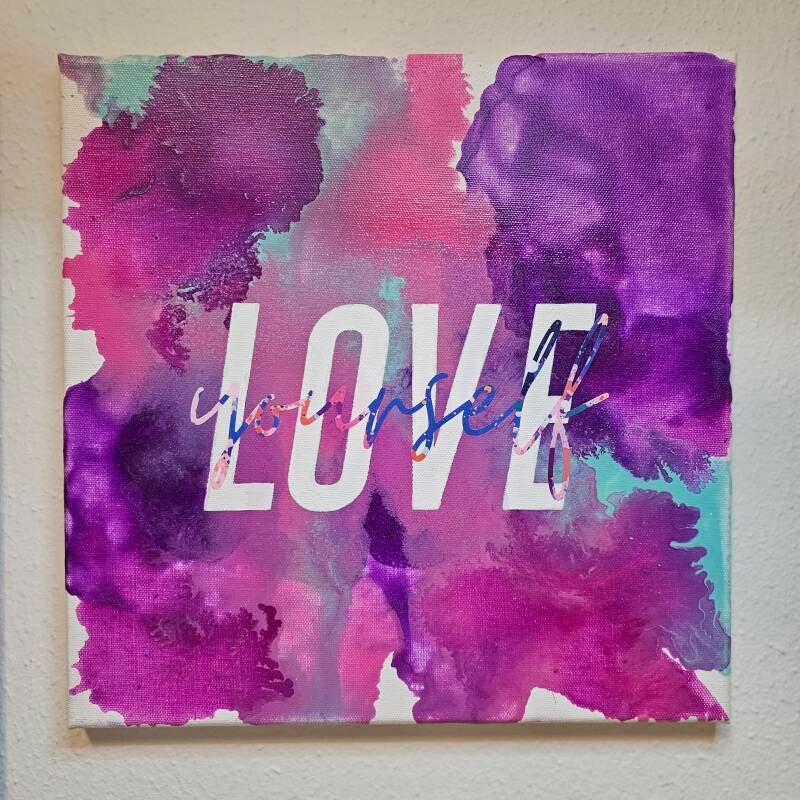
- Painted canvas panels: Mixed results. One panel discolored from seafoam green to apple green, and the platen shape was visible. This was most likely due to the paint, rather than the press. After researching, I learned that some paints can't be heat sensitive and will discolor when subjected to high heat. Another required multiple presses and spot treatment with my mini press.

- Puff Vinyl: Layered beautifully, but I peeled too early and lifted part of the design. This caused some blemishes in the vinyl. Again, not the fault of the press, rather user error. There were other blemishes due to the unevenness of the paint. The puff didn't raise, but created a beautiful texture, which was still absolutely beautiful.
Next time, I plan to test puff vinyl on unpainted canvas panels, since the effect was so striking.

Wood Panel Test: Patience Required
I prepped a wood panel with three coats of acrylic gesso, sanding with 80 grit between coats and after the final coat. I waited 24 hours between coats and 48 hours after the last coat, then wiped the surface with rubbing alcohol before pressing.
Despite multiple presses at 15 seconds, and then several at 45 seconds with higher heat, the vinyl wouldn’t fully adhere. Glitter HTV did better, with only the top of an “L” and parts of a "T" lifting.
Challenges:
- Moisture pooled under the panel, likely interfering with adhesion.
- The panel caved slightly in the center, making even pressure difficult. Next time, I’ll place a book or support underneath.
- Spot treating with my mini press helped, but I accidentally melted two small areas of the glitter vinyl when pressing without the carrier sheet, and using a Teflon sheet as the only cover for protection.
After nearly an hour of troubleshooting, I got the vinyl to stick—but thick, painted wood requires patience and prep.

Wash Test Results: Long-Term Durability
I washed a glitter HTV shirt and it came out of the wash beautifully—no lifting, cracking, or fading. The H10 delivers long-lasting results when paired with proper curing time.

Batch Pressing: Consistency Across Projects
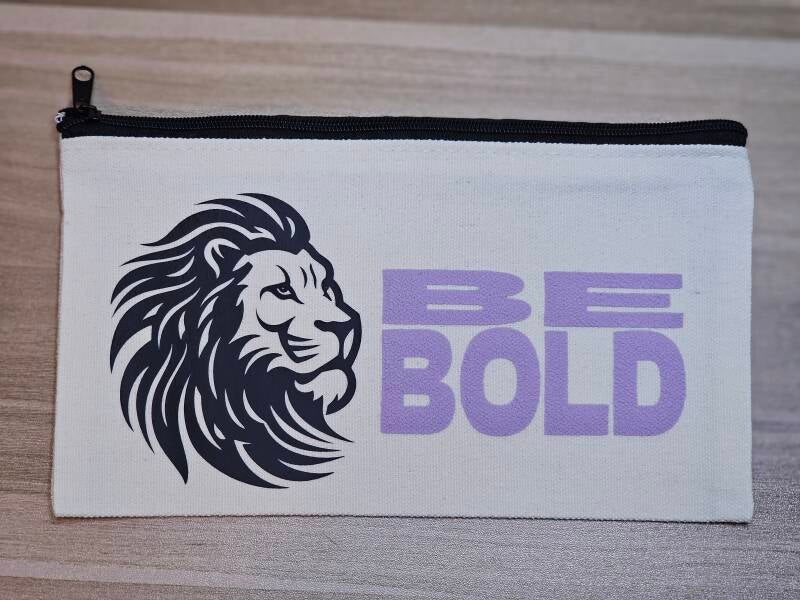
I pressed 7 stockings, 3 canvases, and 1 pouch back-to-back. The H10 maintained consistent heat and pressure throughout, with no overheating or cooldown delays. This makes it a reliable choice for batch work, whether you’re prepping holiday orders or producing multiple items for an event.

Workspace Tips
- Pressing height matters: A surface slightly below waist level gives better leverage and more even pressure.
- Handles = ergonomic win: Dual handles distribute force without straining wrists and keep hands safely away from the heating element.
- Cool-touch top: Even after extended use, the top stays cool. With the 15-minute auto shut-off, accidental burns aren’t a concern.
- Stable base: Rubberized feet prevent sliding and protect your workspace from heat buildup.
Final Thoughts
The HTVRONT H10 Heat Press has proven itself across fabric, fleece, canvas, and even wood (with extra effort). It’s consistent, intuitive, and ergonomic, with a large, readable display and reliable batch performance.
Whether you’re pressing glitter HTV for holiday stockings, layering puff vinyl for dimensional tees, or experimenting with mixed media projects, the H10 is a versatile tool that grows with you. The more I use it, the better each press gets—and that’s the mark of a machine worth keeping in your creative arsenal.
Add comment
Comments